

CRM Tools Every Sales and Marketing Team Should Know in 2026
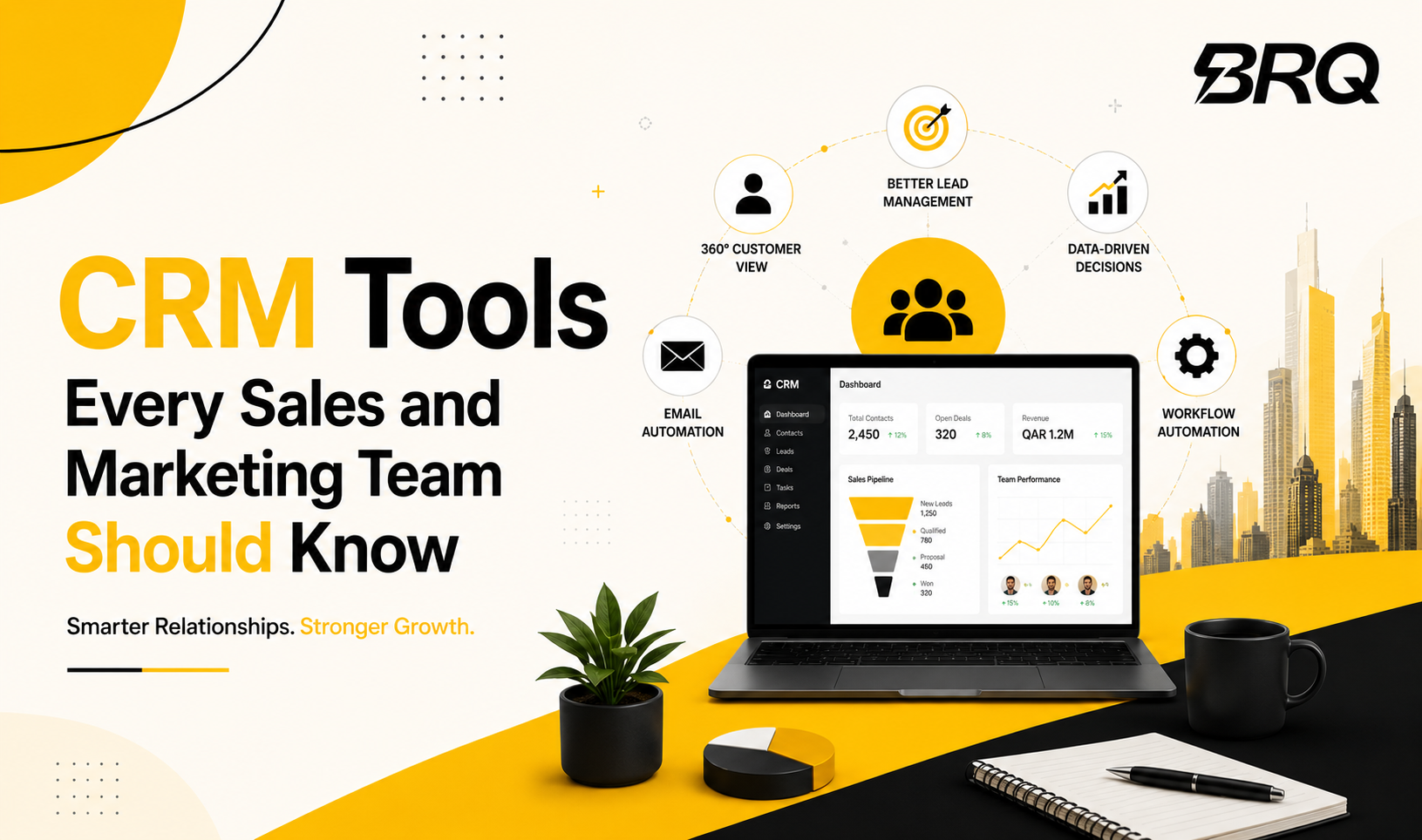
A CRM tool will not save your leads if your team does not know how to use it.
Many sales and marketing teams pick a CRM based on features alone, then find out three months in that nobody on the team actually logs into it.
As the leads grow, these small gaps turn into missed deals and weak reporting. The right CRM tool fixes this by keeping leads, follow-ups, campaigns, and sales activity in one clear system.
Let’s find out how!
What are CRM Tools and Why do Teams Use Them?
CRM tools are platforms that help sales and marketing teams track leads, manage customer relationships, and close deals without losing information between follow-ups.
Teams lose leads when conversations happen across different channels with no single record tying them together. A CRM software puts every customer interaction, deal stage, and follow-up task in one place.
Teams use CRM to:
- Track every lead from first contact to closed deal.
- Automate follow-up reminders so no opportunity gets forgotten.
- Measure which campaigns bring paying customers.
- Give managers a live view of pipeline and team performance.
When everyone works with the same customer data, sales move faster, marketing becomes more targeted, and managers gain a clearer view of business performance.
What Sales and Marketing Challenges Do CRM Tools and Software Solve?
Growing teams often lose sales because there is no single owner for each lead once it enters the pipeline.
CRM tools solve this by bringing leads, follow-ups, sales activities, and customer records into one place. They give sales and marketing teams a clear view of every opportunity and reduce missed follow-ups.
Common challenges they help solve include:
- Lost or forgotten leads.
- Duplicate customer records.
- Slow follow-ups.
- Poor sales pipeline visibility.
- Disconnected marketing campaigns.
- Manual reporting.
With the right crm software and proper CRM integration, teams spend less time searching for information and more time building customer relationships, closing deals, and measuring campaign performance.
List of The Best CRM Tools for Sales and Marketing Teams 2026
Picking a CRM shouldn’t be difficult for you. Here is a simple crm tools list for 2026.
| CRM Tool | Best For | Starting Price Tier | Key Strength |
|---|---|---|---|
| HubSpot CRM | Growing teams needing an all-in-one starter | Free tier available | Easy onboarding, built-in marketing tools |
| Salesforce | Large teams needing deep customization | Premium | Advanced reporting and automation |
| Zoho CRM | Small to mid-sized businesses | Budget-friendly | AI-powered suggestions, forecasting |
| Pipedrive | Sales teams wanting visual pipelines | Budget-friendly | Simple, fast deal management |
| Monday CRM | Teams already using Monday | Mid-range | Built into existing project workspace |
| Freshsales | Businesses needing calling and lead scoring | Mid-range | Built-in calling, AI lead scoring |
| Odoo CRM | Qatar businesses already on Odoo | Mid-range | Native integration with inventory and invoicing |
Crucial Tip: Choose the platform your team will actually open every morning. A CRM nobody uses consistently is just an expensive contact list.
Why CRM Implementation Matters More Than the Tools Itself?
The best CRM tool can still fail if it is implemented without understanding how your team works. A successful CRM starts with your sales process, customer journey, reporting needs, and daily workflows, not just software features.
At BRQ, your local CRM service provider in Qatar, we first study how your sales and marketing teams manage leads, follow-ups, quotations, and customer communication before recommending a solution.
Through our CRM consulting services, we help businesses configure pipelines, automate routine tasks, integrate existing systems, and train teams for daily use.
The result is a CRM that supports your business processes, improves adoption, and delivers long-term value instead of becoming another unused tool.
If you are not sure whether your business is ready, then check out these 7 signs you need a CRM implementation service provider before making your final decision.
How to Choose the Right CRM Tool/Software for Your Startup?
The right CRM fits how your sales team actually works today, not how you plan to work in three years.
Start by answering these before looking at any platform:
- How many people will use it daily?
- Do you need pipeline tracking, contact management, or both?
- Does it need to connect with your existing ERP, accounting, or invoicing tool?
- What is the budget per user per month?
A startup in Qatar selling B2B services needs something different from a retail brand managing repeat buyers. Match the CRM to the sales motion first. The platform follows from there.
Popular CRM Tools Use Cases for Growing Qatar Businesses
CRM tools help businesses organize customer interactions, improve follow-ups, and manage sales more efficiently.
Growing Qatar businesses should commonly use CRM for:
- Tracking leads from multiple channels.
- Managing sales pipelines and quotations.
- Automating follow-up reminders.
- Running targeted marketing campaigns.
- Monitoring customer support requests.
- Generating sales and performance reports.
A real estate developer running projects across Doha, for example, can use CRM to track leads by project site while keeping customer data handling aligned with Qatar PDPL requirements.
As businesses expand, these use cases reduce manual work, improve team coordination, and help deliver a more consistent customer experience.
Choose The Perfect CRM Tool With BRQ
If your sales process is not generic, then your CRM should not be either.
BRQ delivers CRM integration built around how your Qatar business actually sells, follows up, and closes.
As a leading CRM implementation company, our CRM implementation services are shaped around your daily workflow, not a vendor’s default settings.
Explore our portfolio and see how we have helped Qatar startups turn scattered leads into structured, trackable sales pipelines.
Get in touch with our professional team and discuss what your sales process is missing.
Frequently Asked Questions
What is the best CRM for 2026?
The best crm for 2026 will depend on team size, budget, sales process, integrations, and reporting needs. Odoo, HubSpot, Zoho, and Salesforce are strong options.
Do you really need a CRM in 2026?
Yes, if leads come from multiple channels and follow-ups are getting missed. CRM helps startups track conversations, tasks, deals, and customer history clearly.
What are the 7 pillars of CRM?
The 7 pillars include customer data, sales process, marketing, service, automation, reporting, and team adoption. Together, they improve customer relationship management.
Is CRM too expensive for startups?
Not always. Many crm tools offer starter plans. The actual cost comes from poor setup, unused features, and choosing software without clear workflow planning.
How do I know which CRM fits my startup?
Start by checking your lead sources, sales stages, follow-up process, team roles, reporting needs, and future growth. Then compare tools based on fit.
Can CRM software work with my existing tools?
Yes. The best CRM software can connect with email, websites, WhatsApp, ERP, forms, and marketing tools, depending on integration support.
Related Blogs